The advice most people carry around — ice for injuries, heat for aches — is roughly right and considerably out of date in the details. Here is a more useful version.
What cold does
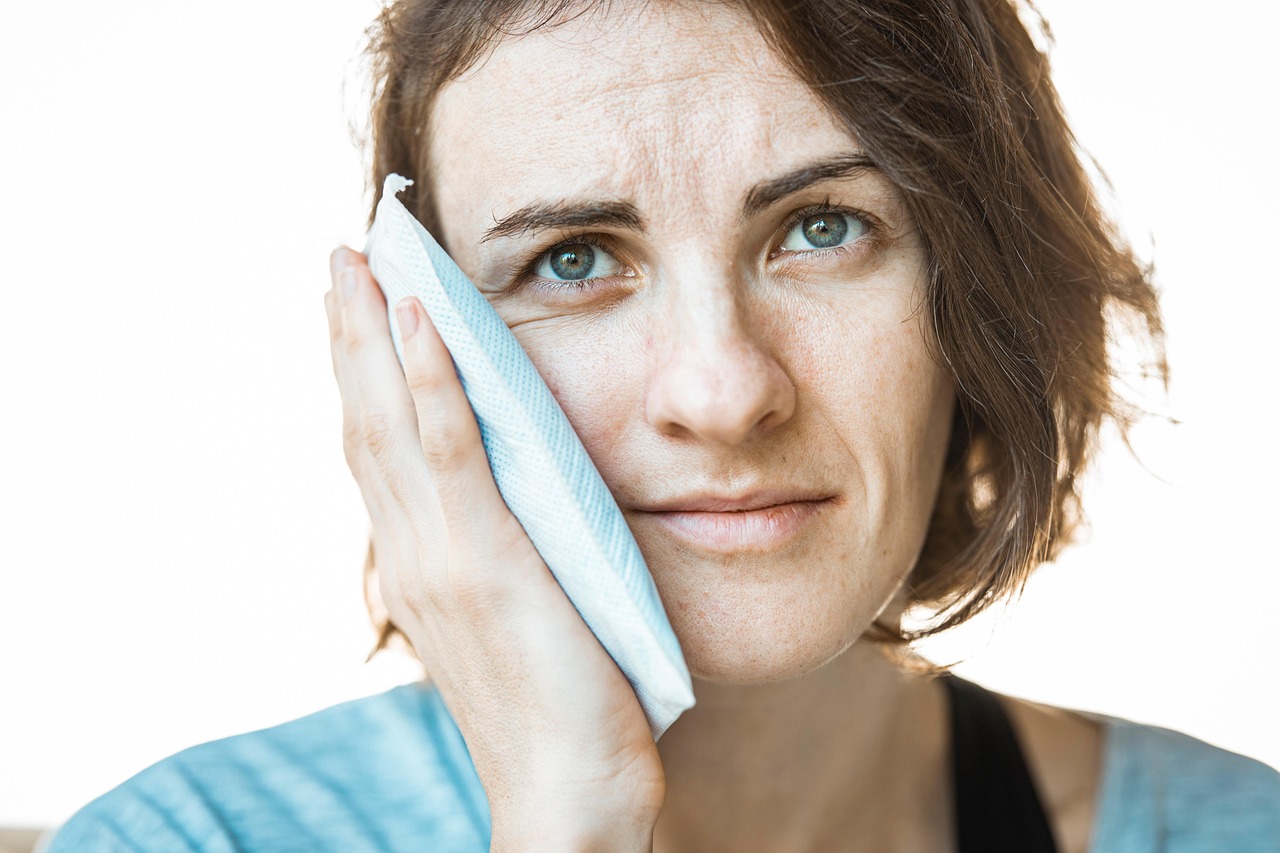
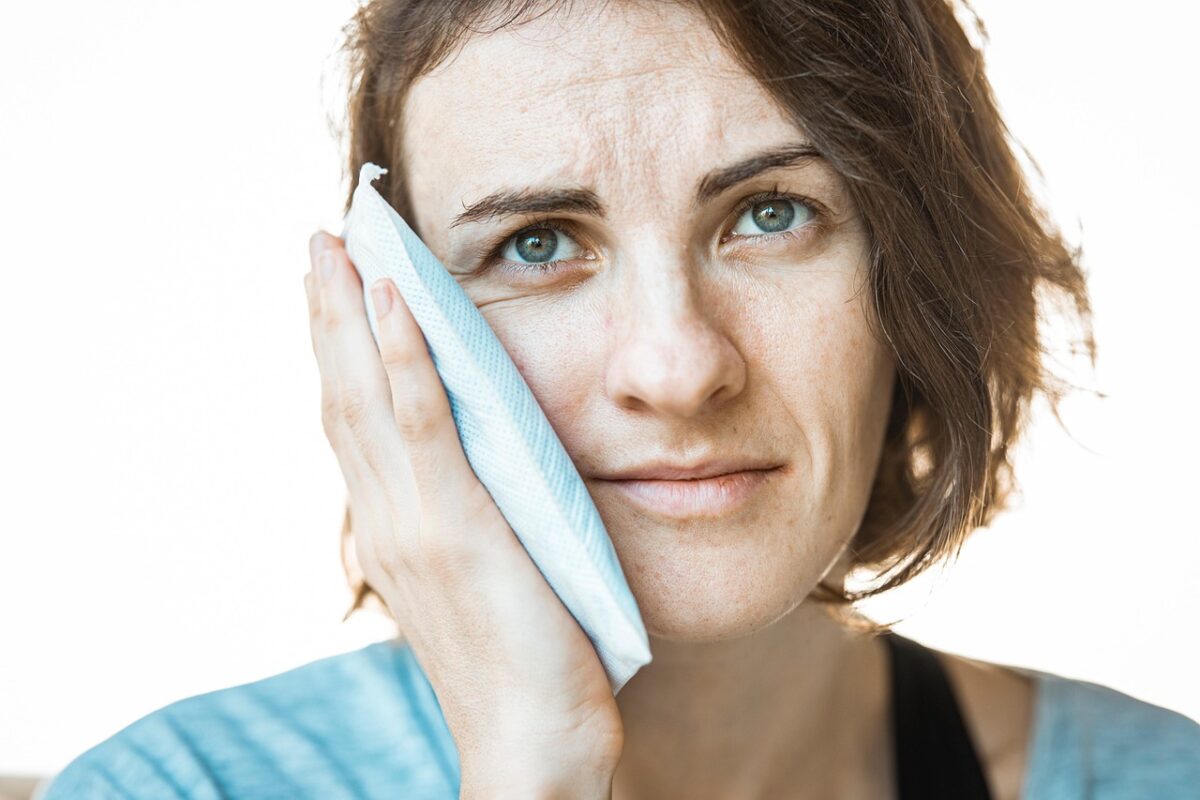
Cold reduces local blood flow and numbs. It is genuinely useful for pain relief in the first day or two after an acute injury, and for calming an area that is hot, swollen and angry.
What has changed is the belief that suppressing inflammation speeds healing. Current thinking is that the inflammatory response is part of repair, and that aggressively icing for days may slow it. Cold is a comfort measure. Use it for pain, not as a treatment.
Ten to fifteen minutes, never directly against skin, with at least an hour between applications.
What heat does
Heat increases local blood flow and makes tissue more compliant. It is the right choice for stiffness, chronic tightness, and getting a cold, reluctant muscle ready to move.
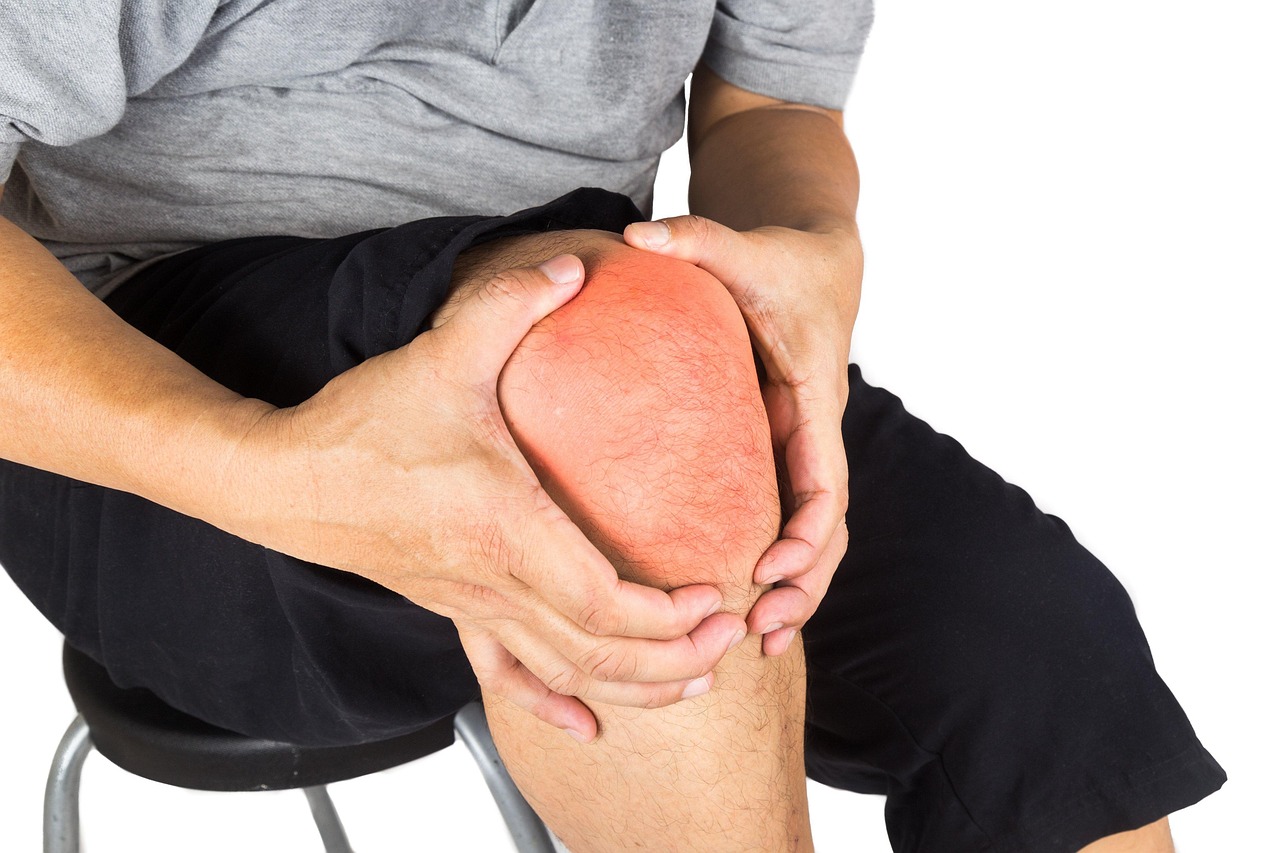
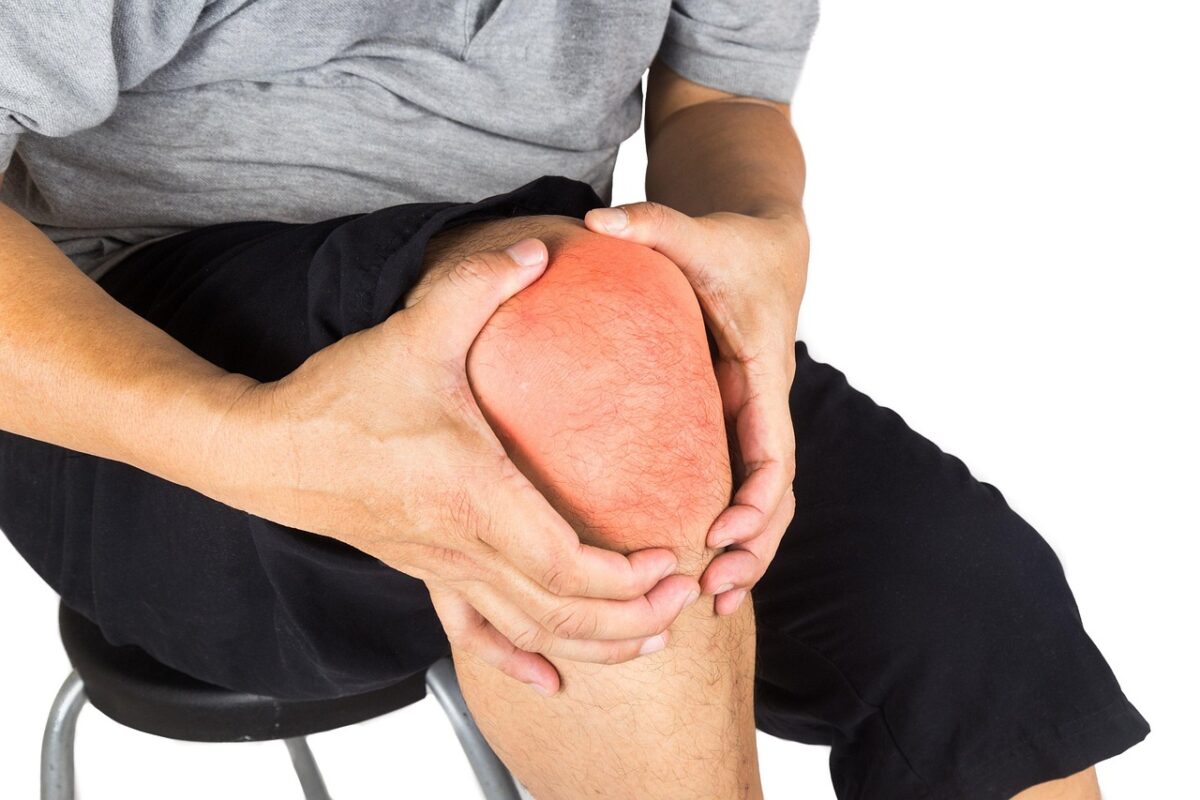
It is the wrong choice for anything acutely swollen or bruised in the first 48 hours, where it will make the swelling worse.
Fifteen to twenty minutes is the useful range. Longer produces no additional benefit.
The simple decision rule
Is it hot, swollen, recently injured? Cold, for comfort.
Is it stiff, achy, long-standing? Heat.
Is it sore from training two days ago? Neither, really — see below.
Where neither is the answer
Delayed-onset muscle soreness, the ache that peaks a day or two after unfamiliar exercise, does not respond meaningfully to either. What helps is gentle movement, light activity that increases blood flow without adding load, and time.
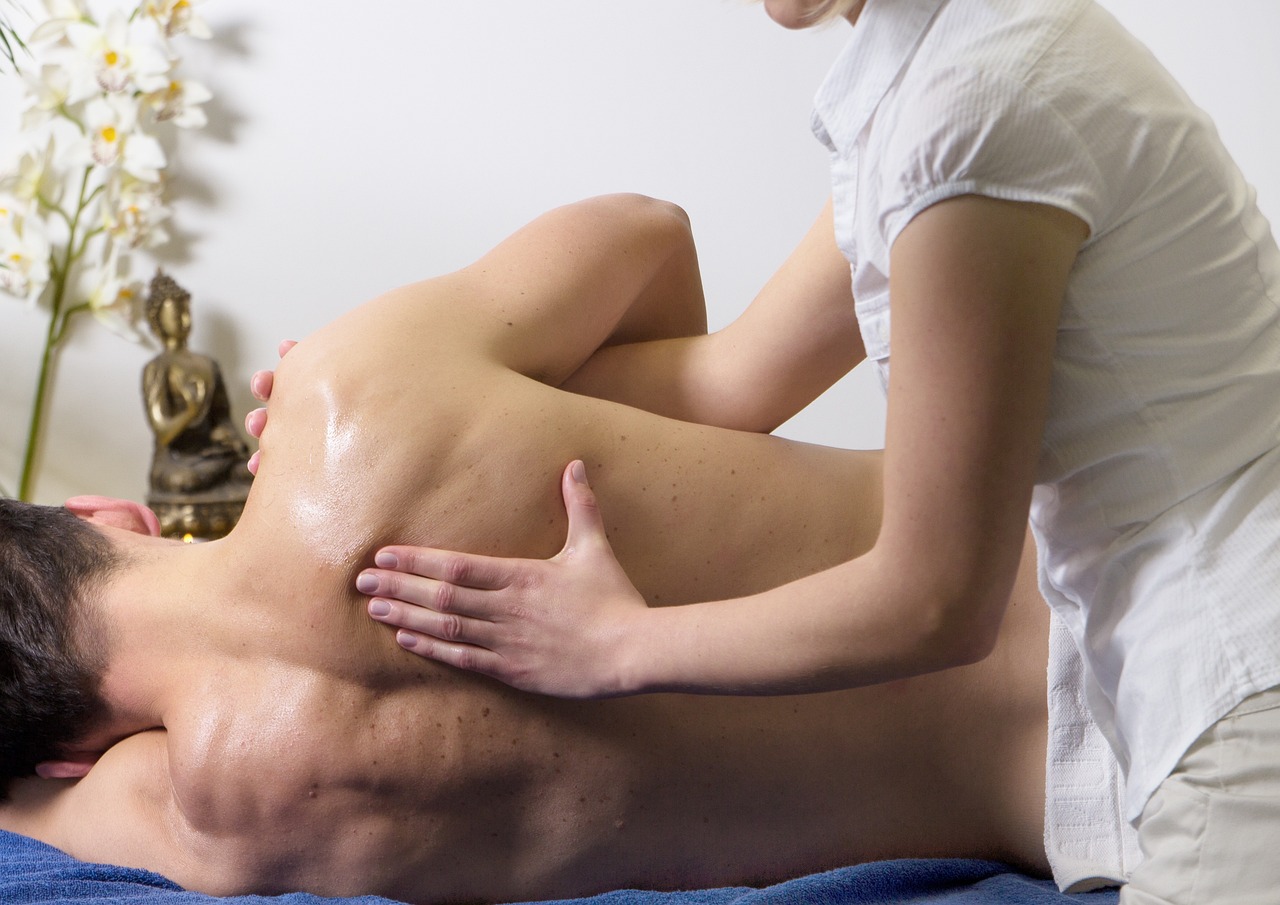
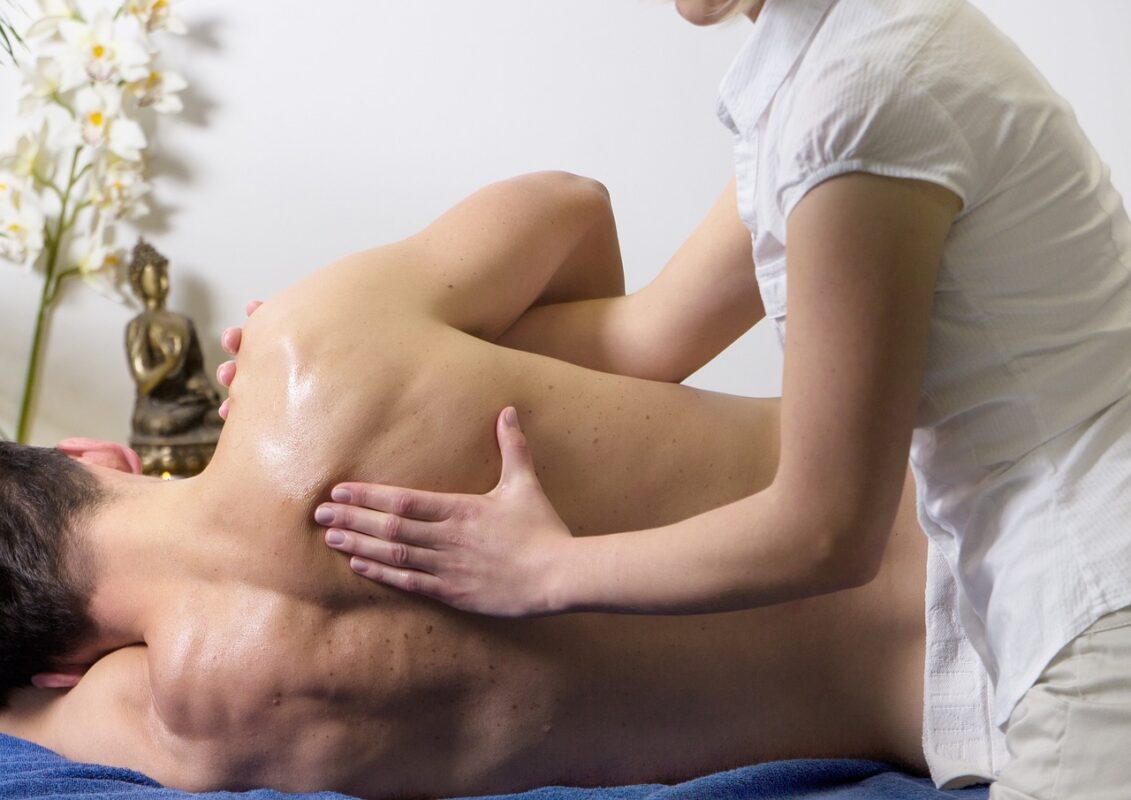
This is the most common situation people apply heat or ice to, and the one where they do the least. Massage, walking and a light session of the same movement all do more.
Contrast therapy
Alternating heat and cold is popular and the evidence is thin. It feels good, it does no harm on healthy tissue, and it is not the mechanism people believe it is. If you enjoy it, it is fine.
Devices that do both
Percussion units with heated and chilled heads let you combine mechanical work with temperature in one session, which is convenient rather than magical. Use heat before activity and cold afterwards if you want a simple rule.
Where a product in our range offers heat or cold, its page states which and how it behaves.
Safety
Never apply cold or heat directly to skin — always a layer of cloth. Never sleep on a heat pad. Do not use either on numb or insensate skin, or over an area with poor circulation, without medical advice.
People with diabetes, neuropathy, circulatory conditions or reduced sensation should speak to a clinician before using thermal products at all. Nothing here is medical advice.
All notes
Browse the full range in the shop, read the frequently asked questions, or contact us — Massage Chair Planet, Las Vegas, NV.