Feet are the part of the body most people ignore until they cannot. They are also the part that responds fastest to very small, very frequent intervention — and the part most often made worse by enthusiasm.
The short-session rule
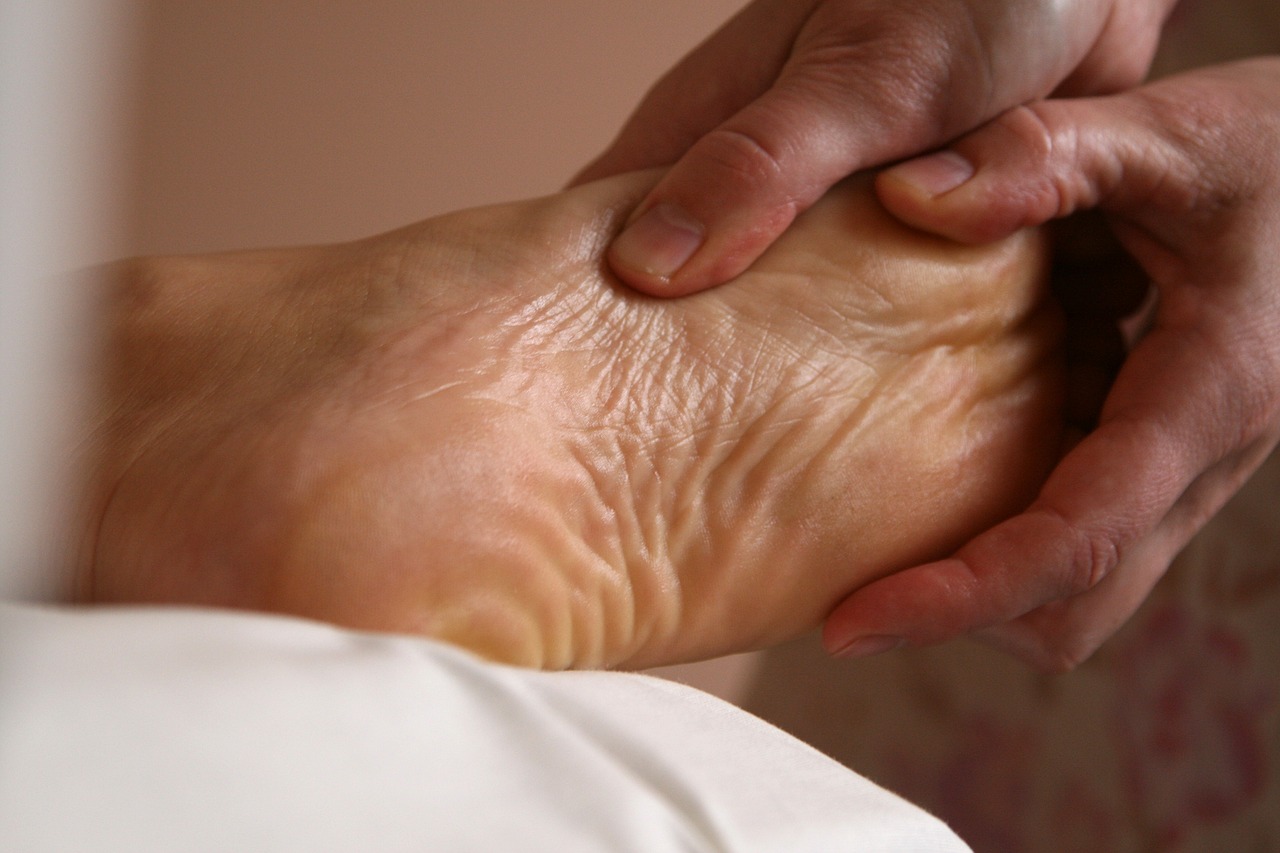
Two minutes per foot, two or three times a day, beats twenty minutes once. The tissue on the sole of the foot is dense and it does not respond well to prolonged aggressive pressure — it responds to being worked gently and often.
This is convenient, because a roller under the desk gets used for two minutes several times a day without any planning at all.
How to use a roller
Sit rather than stand for the first sessions, so you control the pressure with your leg rather than your body weight.
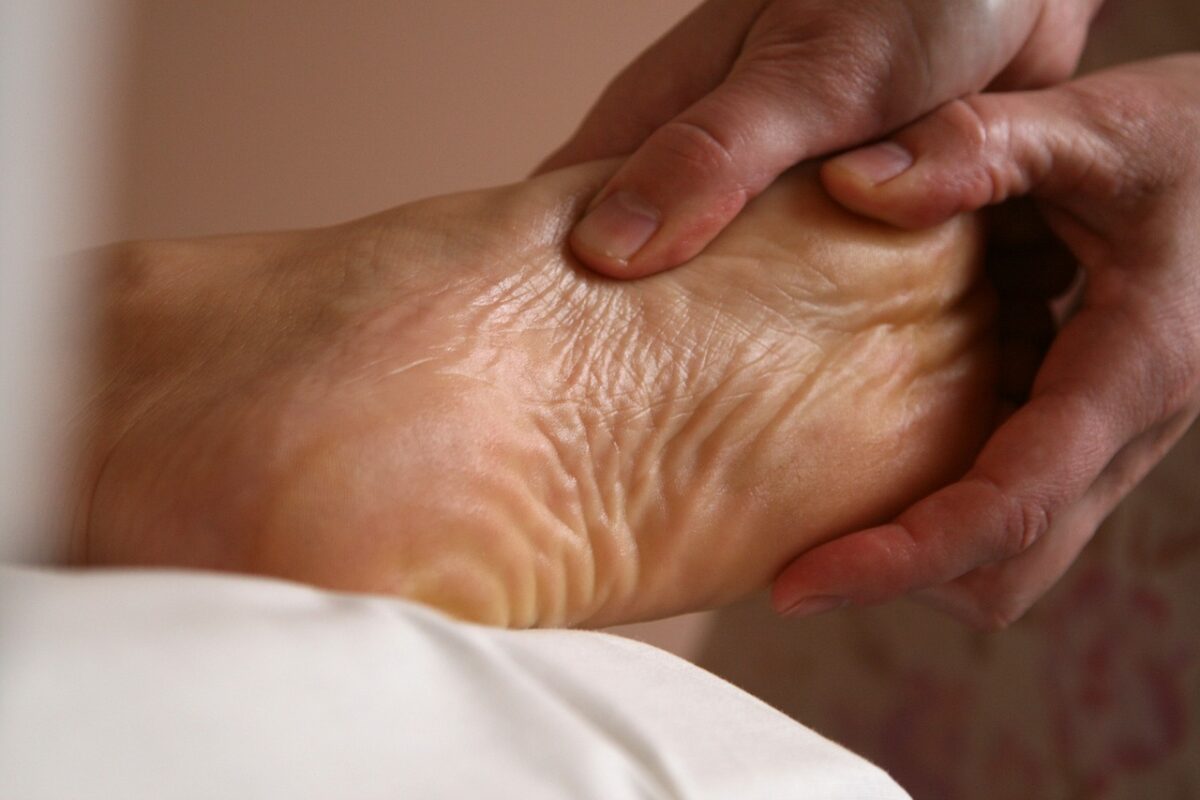
Roll slowly from the heel to the ball of the foot along the arch. When you find a tender point, pause on it for ten to twenty seconds at a pressure you would describe as uncomfortable rather than painful, then move on.
Do not roll directly on the heel bone. The tissue you are after is in front of it.
Cold rolling for inflammation
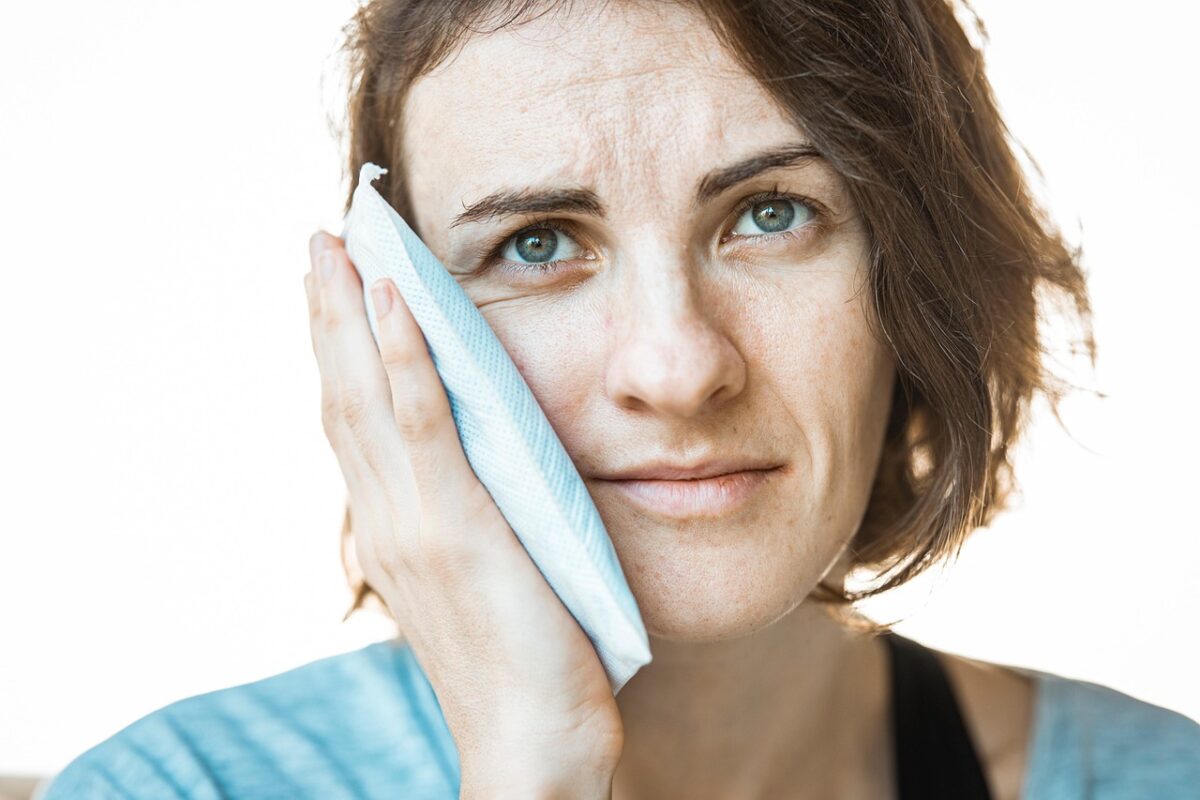
A roller kept in the freezer, or a frozen water bottle, combines pressure with cold and is a well-established option for morning heel pain. Ten minutes is plenty.
Cold is for an angry, inflamed foot. A stiff, tired foot generally prefers warmth and movement.
Standing fatigue is a different problem
If you stand all day on a hard floor, the issue is usually circulation and cumulative load rather than a specific tight structure. Rolling helps, but the bigger levers are an anti-fatigue mat, shoes with actual cushioning, and shifting weight regularly.
Calf work matters here too. The calf and the sole of the foot are connected through the achilles, and a chronically tight calf loads the arch continuously. Rolling the calf is often more effective for foot pain than rolling the foot.
When it is not a self-care problem
Plantar fasciitis has a characteristic pattern: sharp heel pain in the first steps of the morning that eases as you move and returns after sitting. Mild cases respond well to rolling, calf stretching and better footwear.
What should send you to a clinician: pain that is getting worse over weeks despite sensible self-care, numbness or tingling, pain following a specific injury, swelling that does not settle, or any inability to bear weight.
Nothing on this page is medical advice, and heel pain has several possible causes that a roller will not touch.
Choosing a roller
Spiky rollers give a sharper, more localised sensation and suit people who find smooth rollers too diffuse. Smooth wooden rollers give broader pressure and are more comfortable for a first-timer.
A ball gives the most precise pressure of all and is the best option for one specific tender point. Many people end up with a ball and a roller — they cost very little between them.
See Foot and Leg Recovery.
Build the habit, not the session
A roller in a drawer does nothing. A roller under the desk, where your foot finds it without a decision, is the version that works.
All notes
Browse the full range in the shop, read the frequently asked questions, or contact us — Massage Chair Planet, Las Vegas, NV.