A percussion massager is a simple device used badly by most people who own one. Three habits account for nearly all of the disappointing results: too much pressure, too long in one place, and the wrong head.
Choose the head first
The ball head is the general-purpose one and the right default for large muscle groups — quads, hamstrings, glutes, lats.
The flat head spreads force over a wider area and is gentler. Use it near joints, on the upper back, and anywhere the ball feels too pointed.
The bullet or cone head concentrates force into a small point. It is for a specific trigger point and it is the head most often misused. Seconds, not minutes.
The fork head straddles a tendon — around the achilles or either side of the spine. Note that it straddles: it should never be driven onto the tendon or the vertebrae themselves.
Speed is comfort, not power
Higher speed does not mean deeper. What determines how deep a percussion device works is amplitude — the distance the head travels — and stall force, which is how much pressure it takes before the motor stops.
Start at the lowest speed. Increase only until it feels effective. A high speed on a sensitive area produces guarding, and a muscle that is guarding is a muscle that is not releasing.
Keep it moving
Glide the head slowly along the length of the muscle rather than holding it in one place. Roughly one to two minutes per muscle group is sufficient, and moving continuously is the difference between a useful session and a bruise.
Let the weight of the device do the work. Pressing hard does not increase depth in any useful way; it just stalls the motor and compresses the tissue against the bone.
Before or after training
Before: short and light. Thirty seconds per group at low speed, to warm tissue and increase range of motion. This is a warm-up, not a treatment.
After: longer and still moderate. One to two minutes per group. Some people find it reduces next-day soreness; the evidence is mixed, and it certainly feels better than doing nothing.
On rest days: this is where the longer, more deliberate sessions belong.
Where not to use it
Bones and joints directly. The spine itself — either side of it, never on it. The front and sides of the neck. The kidneys and the lower back over the organs. The abdomen. Behind the knee. The groin and the armpit.
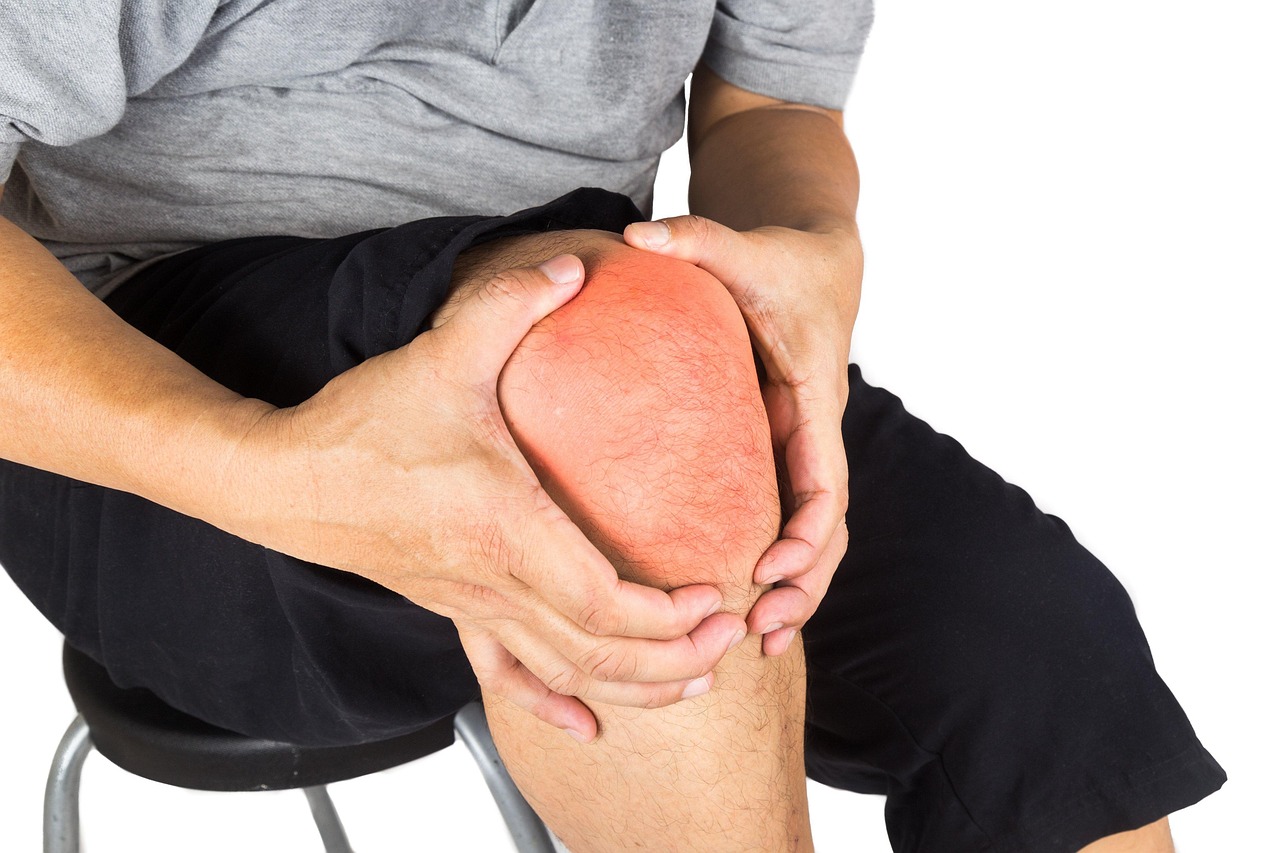
Any area that is bruised, swollen, broken, recently operated on, or that hurts sharply rather than achingly. Sharp pain is a stop signal, not a target.
Who should ask a clinician first
Anyone with a circulatory condition, a clotting disorder, or on blood-thinning medication. Anyone pregnant. Anyone with osteoporosis, an implanted device such as a pacemaker, nerve damage, or a recent injury of any kind.
This is a consumer wellness product and nothing here is medical advice.
Maintenance
Wipe the heads after use, particularly the foam ones. Charge the battery before storing rather than after — lithium cells sit better at partial charge than empty. Store the heads in the case so you can find the flat one when you want it.
All notes
Browse the full range in the shop, read the frequently asked questions, or contact us — Massage Chair Planet, Las Vegas, NV.